Shoppers generally tend to cut up into two camps after they select up a Mcware pot in a store. One community lifts the lid, feels the load, notes the worth, and thinks, this is able to be a workhorse. The other staff sees the vivid aluminum, taps the sidewall, and wonders even if it's going to address each day cooking without warping or sizzling. I have cooked with Mcware stockpots, saucepans, and their squat Dutch-oven-taste casseroles on gas and electric coil tiers, and I even have borrowed a chum’s induction converter simply to see how a ways the subject material is usually driven. This mcware pots assessment specializes in build quality and cooking overall performance, with the variety of detail you solely get after making soups, rice, stew, caramel, and oil-structured fry-ups throughout many months.
What Mcware truly is
Mcware makes forged aluminum cookware with a shiny, commonly reflect-like finish and a utilitarian form. Most pieces are uncoated, which suggests you cook on naked aluminum. Some newer units contain a thin anodized interior or a pale nonstick layer, but the bread-and-butter line is easy solid aluminum, equipped with a tight lid and riveted or forged handles relying on length. The manufacturer’s charm is straightforward: within your budget charge, instant heating, light weight relative to metallic or enameled solid iron, and a recognition in dwelling kitchens and small delicacies stalls for being long lasting enough to earn its shop.
If you're new to raw aluminum, a speedy primer supports. Aluminum’s thermal conductivity is approximately 4 times that of stainless steel. That things considering heat strikes easily from the burner because of the pot and throughout the bottom. It additionally skill the pot responds in a timely fashion while you switch the knob down, in assessment to thick enameled solid iron which coasts on its warm. The business-off is floor hardness and reactivity. Bare aluminum is softer than metal, and it reacts with acidic foods like tomato sauce should you simmer for hours. The reaction isn't always risky in time-honored cooking, yet it is going to somewhat tint sauces and upload a faintly metallic observe whenever you push it. Practical cooks broadly speaking arrange this by proscribing lengthy acidic simmers in naked aluminum or through with the aid of a neutralizing means like opening sauces in aluminum, then finishing in a nonreactive pot if obligatory.
Build first-rate: thickness, machining, and fit
The first thing I do with any pot is measure the bottom with calipers and seek for scorching spots on a cold pan try out. Mcware’s elementary 6-quart to 12-quart stockpots in my rotation have a base thickness around four to five millimeters, with moderately thinner sidewalls. The base feels stout as compared with many discount stainless pots that rely on a thin aluminum disc encapsulated in metal. You can inform the bottom is indispensable other than a sandwiched p.c. on the grounds that the sidewalls and base are cast as one piece. That facilitates with even warm considering there is no bonding interface to delaminate or create a step.
The inside machining varies with the aid of batch. On newer items, I see a smoother lathe end that takes a swift seasoning and releases eggs more advantageous than prior rougher ones. The older pot I shop round nonetheless has visible tool marks and a somewhat gritty feel. It cooks fine, however it wishes greater oil for sensitive duties. Lids seat properly. They should not gasketed, however the flange is real satisfactory that a delicate steam seal paperwork at a simmer, that is available for rice and braises. Handles on large pots are bolted or riveted, and in my units they have got stayed tight after months of use. I retorque fasteners as a behavior anyway, and I recommend doing that after after the first few boils to settle the metal.
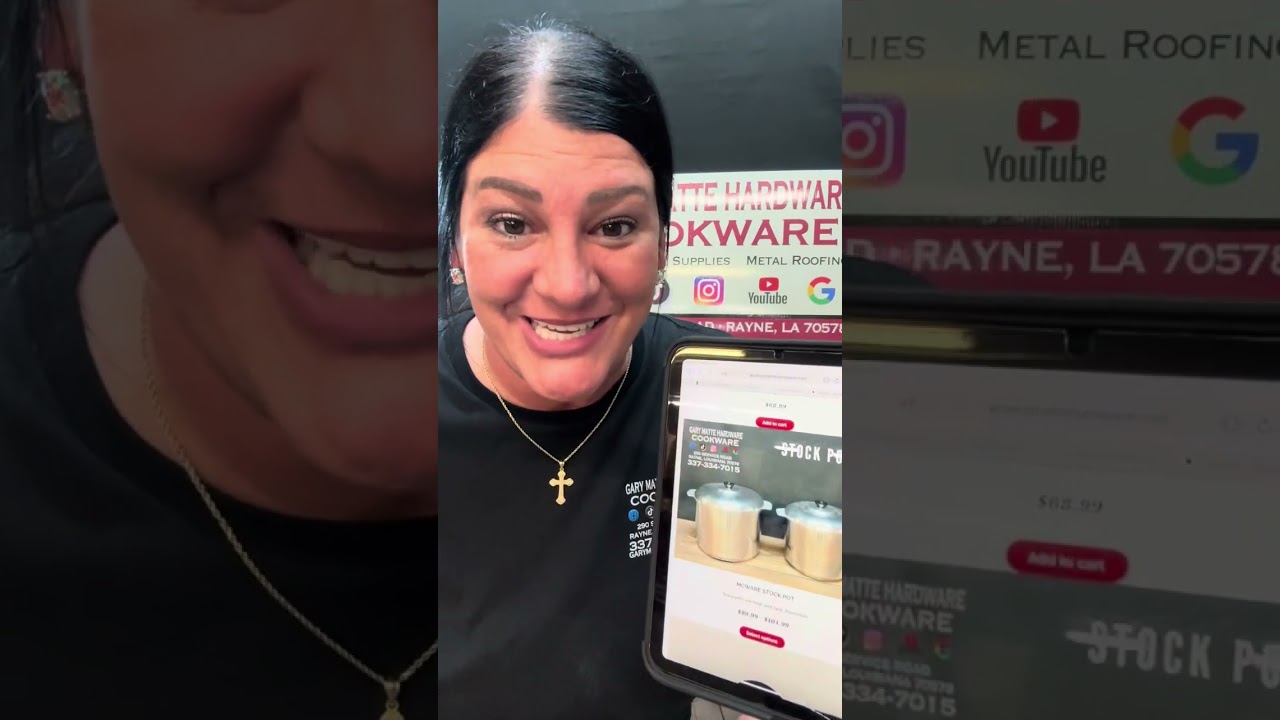
Weight falls into the candy spot for every single day use. A 10-quart Mcware stockpot runs gentle sufficient to boost with a complete load of broth, but heavy sufficient to sit down sturdy on a top-output burner with no skating. I even have saw minimal base warping lower than challenging thermal swings. One torture try I use is to boil eight quarts of water, then kill the heat and placed the pot on a moist towel. Cheap pans potato-chip below that surprise. The Mcware base stayed flat adequate that a straightedge confirmed in basic terms a tiny daylight hours crescent near the perimeter, nothing that affected evenness on the following cook. That tells me the casting and heat medical care are adequate for abode abuse.
Cosmetically, count on scuffs and clouding through the years. Raw aluminum selections up utensil marks and develops a matte patina. I even have not been ready to prevent a replicate finish devoid of babying the pots, which I refuse to do. If you favor showroom shine, you are going to be pissed off. If you care approximately functionality and do not mind gray scuffs, you'll be at peace after the 1st month.
Heat distribution and response on different stoves
Gas first. On an open flame, Mcware’s base conducts warmness across the lowest quick, and the sidewalls climb in temperature swift. For frying onions or toasting spices, the pot responds nearly right now once you minimize the flame to keep away from burning. Compared with tri-ply stainless, I become aware of that hotspots happen purely if the flame tongues lick up the perimeters. Keep the flame diameter a bit of smaller than the pot base, and the browning is even. For a curry base wherein I wish fond devoid of char, I preheat on medium for 2 to 3 mins, upload oil, then aromatics, and the pot behaves predictably.
Electric coil behaves in addition but with greater mentioned ring effortlessly. The coil’s touch factors can create warmer zones. Mcware’s thicker base allows blunt that, however I can nonetheless trace the hoop development if I dry-toast spices without stirring. The fix is easy: preheat longer on medium, stir routinely before everything, and hinder maxing the knob unless boiling water. Once the pot is at temperature, it holds constant for simmering with out cycling into boilovers.
Induction is the weak hyperlink on the grounds that uncooked aluminum does now not couple with magnetic fields. You need either a ferrous plate adapter or a Mcware piece with a bonded induction-well prepared base, which is less primary. I attempted an adapter plate. It works, yet it undercuts the principle get advantages of aluminum, which is speedy response. Heat move simply by the plate adds lag and minimizes precision in tasks like candy degrees. If you cook on induction and wish aluminum-like behavior, look for totally clad aluminum sandwiched in metal from different brands. If you might be set on Mcware for price or capacity, take delivery of that an adapter plate slows matters down and plan for extra preheat time and overshoot.
Surface functionality: oil movie, seasoning, and stick resistance
Bare aluminum isn't really nonstick. That spoke of, with the desirable oil administration and a bit seasoning, it releases stronger than many human beings expect. I deal with the interior like carbon steel: wash, dry properly, warm to a little bit above the smoke aspect of a neutral oil, wipe, allow cool, repeat a couple of times. After two or 3 cycles, proteins stick less, pancakes turn with out tearing, and fried eggs slide if you happen to preheat and use adequate fats. If you pass seasoning, that you would be able to still cook eggs, yet you can actually favor a small silicone spatula and persistence.
The oil movie behaves normally on Mcware. When scorching enough, a drop of water skitters and snaps. That is my sign the pan is set for a thin omelet or crepes. At shrink heat, the floor has a tendency to micro-weld proteins if you stream foodstuff too quickly. Let the preliminary crust shape, then nudge. For searing meat, the pot prices a strong B. You can get a decent crust on bird thighs or brief ribs, yet this can now not in shape the deep, mahogany sear you get from solid iron. Aluminum sheds warmness rapid in the event you drop bloodless protein, which means that you desire smaller batches or an extended preheat to bank warm inside the base. For stew prep, the place you deglaze and simmer besides, it is greater than adequate.
Tomato sauce, citrus-heavy stews, and wine discounts benefit a caveat. A fast sauté with lemon is fine. A four-hour Bolognese isn't always superior in raw aluminum. I make my tomato ragù in the Mcware pot for the initial sweat and browning, then switch to a stainless Dutch oven for the lengthy simmer. If you insist on one-pot comfort, retailer acidic simmering beneath two hours and stir by and large to stay away from native hotspots. You can even note a subtle gray tint in a cream sauce in case you whisk vigorously in opposition to the surface. That is overall wear-in for raw aluminum and innocent in trace amounts, however it looks strange if you are expecting a white sauce.
Everyday cooking tests
Rice and grains. Mcware excels at rice when you consider that the lid seats smartly and the bottom spreads warmth evenly. My events for jasmine rice is easy: rinse till water runs aas a rule clear, upload 1 cup rice to one.1 to 1.2 cups water, a pinch of salt, medium warmness until eventually the primary vigorous bubbles, then drop to low for 10 mins, kill warmness and leisure 10 more with the lid on. The pot presents me fluffy grains without scorching so long as the flame isn't very creeping up the sidewalls. Brown rice behaves in a similar way with a longer simmer. Steel pots with skinny bases traditionally leave a thick crust at the core; the Mcware pot leaves best a easy, nutty layer that peels off cleanly.
Soups and inventory. Here the load and base thickness are just right. I can avert a whispering simmer with out biking up and down, and the pot does not whinge if I cross from a rolling boil to low and returned back. The lid stops too much evaporation once I choose attention, so I offset it by a quarter inch and observe. The pot’s faded weight makes it mild to pour via a strainer, an underrated merit should you are shifting six quarts of hot liquid.
Frying. Shallow frying is fine, deep frying is doable with a thermometer. Aluminum loses heat temporarily once you upload a extensive batch, so I fry in smaller plenty and allow the oil go back to objective prior to a better drop. The benefit is recovery after a heat minimize. If your oil climbs too quickly, a small adjustment brings it back within 15 to 20 seconds. For doughnuts or tempura the place temperature steadiness subjects, I pick a heavier solid iron pot. For widespread schnitzel or fish fillets, Mcware handles the job.
Sauces and custards. Delicate sauces merit from aluminum’s responsiveness. A béchamel comes in combination smoothly with no hot at the corners, furnished you stir. Caramel is trickier. Dry sugar melts superb, however the moment you add cream or butter, the pot’s fast response could make it capture if your timing is off. Use a rather large pot than favourite to maintain the temperature gentler and the splatter contained.
Oven use. Most Mcware pots I even have owned are rated for mild oven temperatures, but the handles dictate the minimize. If you might have plastic or resin handles, hold it under 350 Fahrenheit. The solid-dealt with models can go higher, but I seldom exceed four hundred. Aluminum heats and cools immediate, so braises ought to be all started at the stovetop, moved to the oven at a lower set point, and checked early to ward off over-cutting.
Durability and maintenance
Functionally, the pots shrug off everyday bumps. Aluminum is softer, so it dings when you hit the rim opposed to a sink. That is cosmetic. The base survives years of thermal cycling devoid of the delamination that could plague less expensive clad wares. I fresh with heat water, a moderate detergent, and a non-scratch pad. Barkeeper’s Friend lifts stubborn stains, yet it might haze the finish and need to be used sparingly. Avoid metallic wool except you take delivery of a brushed, permanently matte appear.
Rivets and bolts dwell positioned in case you every now and then test them. The most effective failure I actually have noticed became a lid knob that loosened after a protracted oven braise. A drop of threadlocker solved it. If your pot develops a faint sulfur smell after simmering cruciferous vegetables, boil a immediate answer of water with a spoon of baking soda, rinse, and dry. Stacking can scratch interiors. I placed a paper towel or a thin fabric between nested pots, then I end puzzling over it.
Food safeguard and reactivity
Raw aluminum cookware has been debated for decades, usually from 1/2-remembered headlines. The contemporary consensus in foodstuff technology is that regularly occurring cooking in aluminum does not pose a well-being possibility, in particular for those who ward off lengthy acidic simmering. Your food plan accommodates aluminum from many sources, consisting of baking https://jeffreybaxc479.cavandoragh.org/mcware-pots-review-longevity-test-after-months-of-daily-use powder and dealt with water. What matters in daily use is flavor and look. Limit prime-acid simmers in case you discover off flavors, and use a nonreactive pot for recipes that require it. If you possess anodized Mcware, the oxide layer improves scratch resistance and reduces reactivity. Once that layer is breached by means of gouging, it behaves extra like raw aluminum in that spot, so treat it kindly with picket or silicone gear.
Price-to-performance
This is in which Mcware earns loyalty. The cost of a full set usally lands good less than a unmarried top class Dutch oven. For finances-wide awake chefs outfitting a small eating place backline or a house kitchen, you get honest magnitude: thick enough bases, decent lids, and a forgiving learning curve. The change-offs are clean. You lose compatibility with induction unless you utilize an adapter. You settle for cosmetic put on and some reactivity. You do not get the glass-delicate nonstick of ceramic or PTFE. Yet you take delivery of quick reaction and slash fatigue from carrying lighter pots round a kitchen.
In an immediate lineup opposed to fashionable alternate options, the calculus looks like this. Tri-ply stainless is more flexible and nonreactive, yet even mid-tier brands price lots more. Enameled forged iron provides more desirable braises and more effective sears, however on the settlement of weight and slower reactions to heat ameliorations. Hard-anodized nonstick makes eggs ordinary, however the coating sooner or later wears. Mcware sits in a realistic middle for cooks who value pace, cost, and ease extra than immaculate finishes and one-pot-for-everything claims.

Edge situations and obstacles valued at knowing
High-warmness dry cooking exposes one weak point. If you crank a burner to top and walk away, the pot will overshoot swift via aluminum’s conductivity. That is why cocoa powder scorches at the core should you toast it in a dry pot. Keep stirring, use medium warm, and enable the bottom preheat calmly.
Sugar paintings demands constant arms. The short step from amber to sour requires close interest. If you are building caramel steadily, be aware a stainless pot with a lighter-coloured interior for more easy color analyzing.
Outdoor cooking on effective transportable burners can bend skinny pots. Mcware’s base thickness is helping, however 30,000 BTU propane burners call for accepted feel. Keep flames inside the base perimeter, and stay clear of bloodless water shocks after a rolling boil.

Dishwashers will cloud the end. If seems subject, hand-wash. If you do not care, the pot will work the related.
Practical shopping for notes
Look for regular base thickness. If that you could see or really feel a pronounced step from base to sidewall, that piece might broaden a weak spot that concentrates warm. Inspect the lid in shape through spinning it gently on the pot. A comfortable, wobble-unfastened seat is good. Check manage elements. If you intend to apply the oven, prefer metallic handles or affirm warm ratings. Buying as a hard and fast in the main charges much less in line with piece, however be honest about your utilization. A larger stockpot, a three to four quart saucepan, and a shallow casserole canopy so much initiatives in a small kitchen. The tall, slim saucepot is the one I reach for least.
A prepare dinner’s standpoint after months of use
One weekday, I made poultry adobo for eight in the eight-quart Mcware pot, then, without washing extra than a swift rinse, used the comparable pot to prepare dinner eight cups of jasmine rice. The adobo simmered at a low bubble for fifty minutes. No steel notes, yet I kept a watch on acidity by means of balancing the vinegar with soy and a small quantity of sugar. The rice benefited from the absorbed residual heat or even base. On some other weekend, I ran a batch of red meat inventory for 6 hours at a barely-there simmer. The pot held stable with the burner set so low I may just practically remember the bubbles. Clarifying the inventory later, I liked lifting a pretty faded pot to pour by means of cheesecloth. These are the moments that sell a section of cookware: no longer the marketing, however a string of small, uneventful successes that add up to believe.
Not each and every prepare dinner consultation became ultimate. A batch of caramel hit sour on account that I hesitated five seconds too long, and the aluminum did no longer forgive me. A tomato-heavy ragù turned fairly gray after two and a part hours on account that I refused to interchange pots midstream. These error taught me the sides and reminded me that cloth science policies the kitchen simply as honestly as recipes do.
Who will enjoy Mcware, and who should still seem elsewhere
Cooks who magnitude speed and straightforwardness, who make rice, soups, stews, sautéed vegetables, and shallow-fries, will find Mcware a lovely, most economical choice. If you run a small nutrients stall with limited garage and desire easy, rough pots that can be lifted and wiped clean immediate, they make experience. If you cook dinner lots of dairy sauces or custards, the responsiveness supports. If you lean closely on lengthy tomato braises, wine discount rates, or induction cooking, the in shape is much less most beneficial. You can work around those limits, but you may be happier making an investment in stainless or enameled forged iron for those certain obligations.
A concise determination aid
- Choose Mcware while you would like swift-heating, lightweight, within your budget pots for day to day soups, rice, sautéing, and short braises. Consider selections whenever you cook dinner on induction with out an adapter, or in the event that your repertoire leans on long acidic simmering. Expect beauty put on and minor patina formation; functionality will now not go through. Plan to season frivolously and use reasonable heat for comfortable proteins. For deep, even sears and deep-fry temperature stability, stay a heavier pan alongside.
Final assessment
Judged basically on construct satisfactory and cooking functionality, Mcware lands squarely within the useful, responsible tier. The casting is thick satisfactory to unfold heat nicely and withstand warping, lids more healthy accurate, and the pots elevate readily even if full. The cooking ride rewards consciousness and a touch of procedure. Control your flame dimension, preheat with intention, and appreciate the reactive nature of bare aluminum, and the outcome satisfy daily.
This mcware pots evaluate reflects what I seek for in gear that earn a everlasting slot on the stove: cost, predictability, and readability about what they do well and in which they are not the appropriate resolution. Mcware supplies trustworthy efficiency at a modest value. If you event your recipes to its strengths and shop a secondary pot for the few tasks it does now not love, this can serve you effectively for years.